If you live in North Carolina, you already know that summer heat is only part of the story. The real challenge is the humidity. That thick, heavy air can make your home feel warmer than it actually is, and it can put extra strain on your HVAC system. Many homeowners ask the same question during the warmer months. Does high humidity actually affect my HVAC unit?
The answer is yes. Humidity plays a major role in how your system performs, how comfortable your home feels, and how much energy you use. In this blog, we will explain how humidity impacts your HVAC system and what you can do to stay comfortable in North Carolina’s climate.
What Is Humidity and Why Does It Matter?
Humidity refers to the amount of moisture in the air. When humidity levels are high, the air feels damp and sticky. When levels are low, the air feels dry. In North Carolina, outdoor humidity often rises well above comfortable levels during late spring and summer. That moisture does not stay outside. It finds its way into your home through doors, windows, and even small air leaks.
The ideal indoor humidity level is between thirty and fifty percent. When humidity climbs above that range, it can cause problems for both your comfort and your HVAC system.
How Does High Humidity Affect Indoor Comfort?
Before we talk about HVAC equipment, it is important to understand how humidity affects how you feel. When the air is humid, your body has a harder time cooling itself. Sweat does not evaporate as quickly, which makes you feel hotter even if the temperature stays the same. That is why seventy five degrees with high humidity can feel much warmer than seventy five degrees with dry air.
As a result, many homeowners lower their thermostat to try to feel comfortable. This causes the air conditioner to run longer and work harder.
How Does High Humidity Impact HVAC Performance?
Your HVAC system is designed to do two things. It cools the air and removes moisture at the same time. However, when humidity levels are very high, the system has to work harder to do both jobs.
Here are the main ways high humidity affects your HVAC unit.
Longer Run Times
When there is more moisture in the air, your system needs more time to remove it. This means longer cooling cycles and more frequent operation throughout the day.
Increased Wear and Tear
The longer your system runs, the more stress it places on important components like the compressor, fan motor, and coils. Over time, this extra strain can lead to more frequent repairs.
Reduced Efficiency
High humidity makes it harder for your system to reach the desired temperature. Even if the air is being cooled, the moisture can make the space feel warmer. This reduces the overall efficiency of your system.
Higher Energy Bills
When your system runs longer and works harder, it uses more electricity. This leads to higher monthly energy costs, especially during peak summer months.
Can High Humidity Cause HVAC Damage?
Yes, in some cases, high humidity can contribute to long term issues with your HVAC system. Excess moisture can lead to buildup on coils and internal components. This can reduce airflow and limit how well your system cools the air. Humidity can also affect ductwork. Moisture inside ducts can lead to mold growth, which can impact air quality and system performance.
If left unchecked, these problems can shorten the lifespan of your HVAC system.
Why Does My House Still Feel Humid With the AC Running?
This is one of the most common complaints in North Carolina homes. If your air conditioner is running but your home still feels sticky, there may be a few reasons.
The System Is Too Large
An oversized system cools the air too quickly. This may sound like a good thing, but it actually prevents the system from running long enough to remove humidity.
Dirty Air Filters
Clogged filters restrict airflow, which reduces your system’s ability to remove moisture.
Low Refrigerant Levels
If refrigerant levels are low, the system may struggle to properly cool and dehumidify the air.
Poor Airflow
Blocked vents or leaky ductwork can prevent air from circulating properly, which affects humidity control.
High Outdoor Moisture
During especially humid days, even a properly working system may struggle to keep up without additional support.
What Are Signs of High Humidity in Your Home?
If you are not sure whether humidity is affecting your home, here are some common signs to look for.
- Sticky or damp feeling in the air
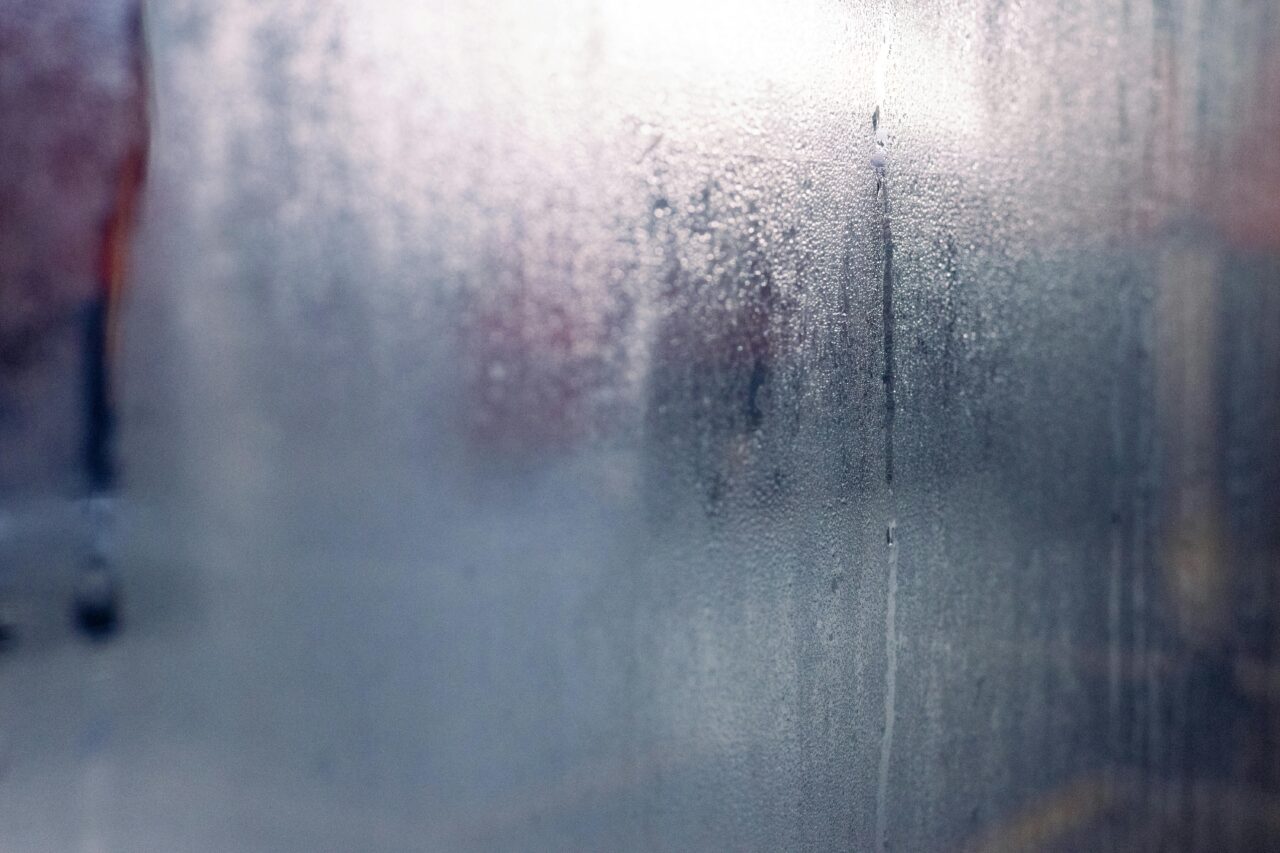
- Condensation on windows or glass doors
- Musty odors throughout the home
- Mold or mildew in bathrooms or around vents
- Warped wood or peeling paint
- Increased allergy symptoms
If you notice any of these issues, your HVAC system may be struggling to manage humidity levels.
How Can You Reduce Humidity in Your Home?
The good news is there are several ways to reduce humidity and help your HVAC system perform better.
Use a Dehumidifier
A whole home dehumidifier works alongside your HVAC system to remove excess moisture from the air. This can make your home feel cooler and reduce strain on your system.
Change Air Filters Regularly
Clean filters improve airflow and help your system remove moisture more effectively. Check your filters every month during the summer.
Schedule Regular Maintenance
Routine tune ups help ensure your system is clean, properly charged, and running efficiently. A well maintained system handles humidity much better.
Seal Air Leaks
Small gaps around doors, windows, and ductwork allow humid air to enter your home. Sealing these leaks helps keep moisture out.
Use Exhaust Fans
Running bathroom and kitchen fans helps remove moisture from daily activities like cooking and showering.
Can Upgrading Your HVAC System Help?
If your current system struggles with humidity, it may be time to consider an upgrade. Modern HVAC systems are designed with better humidity control in mind. Features such as variable speed blowers allow the system to run longer at lower speeds, which improves moisture removal. High efficiency systems can maintain comfort while using less energy, even in humid conditions.
At LM Wilson Heating and Air, we can help you choose the right system for your home and ensure it is properly sized for North Carolina’s climate.
Why Is Professional Maintenance Important in Humid Climates?
In a humid environment like North Carolina, regular HVAC maintenance is even more important. During a maintenance visit, technicians clean coils, check refrigerant levels, inspect airflow, and ensure all components are working correctly. These steps help your system remove both heat and moisture more effectively.
Without regular maintenance, your system may lose efficiency and struggle to keep your home comfortable.
Need Help With Humidity Issues?
The team at LM Wilson Heating and Air is here to help. Whether you need a system tune up, a dehumidifier, or advice on upgrading your HVAC system, we have the experience to keep your home comfortable.
Call 336 663 1370 or click here to schedule service today.
Let us help you stay cool, dry, and comfortable all year long.