
What Can I Do for My HVAC System Between Tune-Ups?
If you are like most homeowners in North Carolina, your HVAC system works hard all summer to keep your home cool and comfortable. But even if you already get regular seasonal tune-ups, it is a good idea to check on your system once in a while during the season.
You might be asking, “What can I do between professional HVAC visits to keep things running smoothly?”
In this blog, we will walk through the exact steps you can take as a homeowner to give your system a mid-season checkup. These simple tasks can help you prevent breakdowns, improve efficiency, and even extend the life of your HVAC system.
How Do I Know If My HVAC System Needs a Mid-Season Check?
Your air conditioner might still be running, but that does not always mean it is running well. Some signs that it is time to do a quick check include:
-
Your system is running longer than usual
-
The air feels warm or not as cool as before
-
Some rooms feel stuffy or humid
-
Your energy bill has suddenly gone up
-
You hear strange noises like rattling or buzzing
-
You notice more dust than usual around the house
If you notice any of these signs, a mid-season check is a smart next step. Even if you are not seeing problems, regular upkeep in the middle of the cooling season helps keep your system in top shape.
What Should I Check on My Thermostat?
Your thermostat controls everything, so it is the first place to look.
Is the Thermostat Set to “Cool”?
This might sound obvious, but sometimes settings get changed by accident. Make sure your system is set to “Cool” and not just “Fan” or “Off.”
Is the Temperature Set Properly?
Try setting your thermostat a few degrees lower than your current room temperature to see if the air conditioner kicks on properly.
Are the Batteries Fresh?
If you have a battery-powered thermostat, weak batteries can cause it to lose connection with your system. Replace the batteries at least once a year.
Is It Placed in a Good Spot?
Make sure your thermostat is not directly in sunlight or placed near lamps, appliances, or vents. That can throw off the temperature reading.
What Should I Look for on My Air Filters?
One of the easiest and most important things you can do is check your HVAC filters.
Is the Filter Dirty or Clogged?
If your filter is full of dust, hair, and dirt, your system has to work harder to push air through. That can lower efficiency and wear down your system. Hold the filter up to the light. If you cannot see light through it, it needs to be replaced.

How Often Should I Replace It?
In North Carolina, you should check your filter every month during heavy-use seasons like summer and winter. Replace it every 30 to 90 days depending on your home environment.
If you have pets, allergies, or a lot of dust, you may need to change it more often.
What Kind of Filter Should I Use?
Look for filters that fit your system’s recommended size and MERV rating. If you are unsure, LM Wilson Heating & Air can help you choose the right one during your next tune-up.
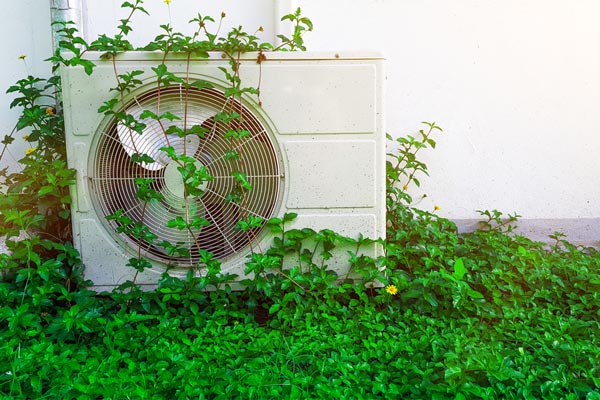
Can I Clean My Outdoor Unit Myself?
Yes, and it is a great idea during the summer.
Turn Off Power First
Before doing anything outside, shut off the power to the unit at the disconnect box or circuit breaker.
Remove Leaves and Debris
Use gloves to gently remove leaves, branches, or grass clippings from around and inside the unit.
Trim Plants and Bushes
Make sure there is at least 2 feet of space around the unit for proper airflow.
Rinse the Coils
Use a garden hose (not a pressure washer) to gently spray the metal fins on the outside of the unit. Spray from the top down to wash away dirt and dust.
Do not bend the fins. If they look bent, contact LM Wilson to straighten or replace them professionally.
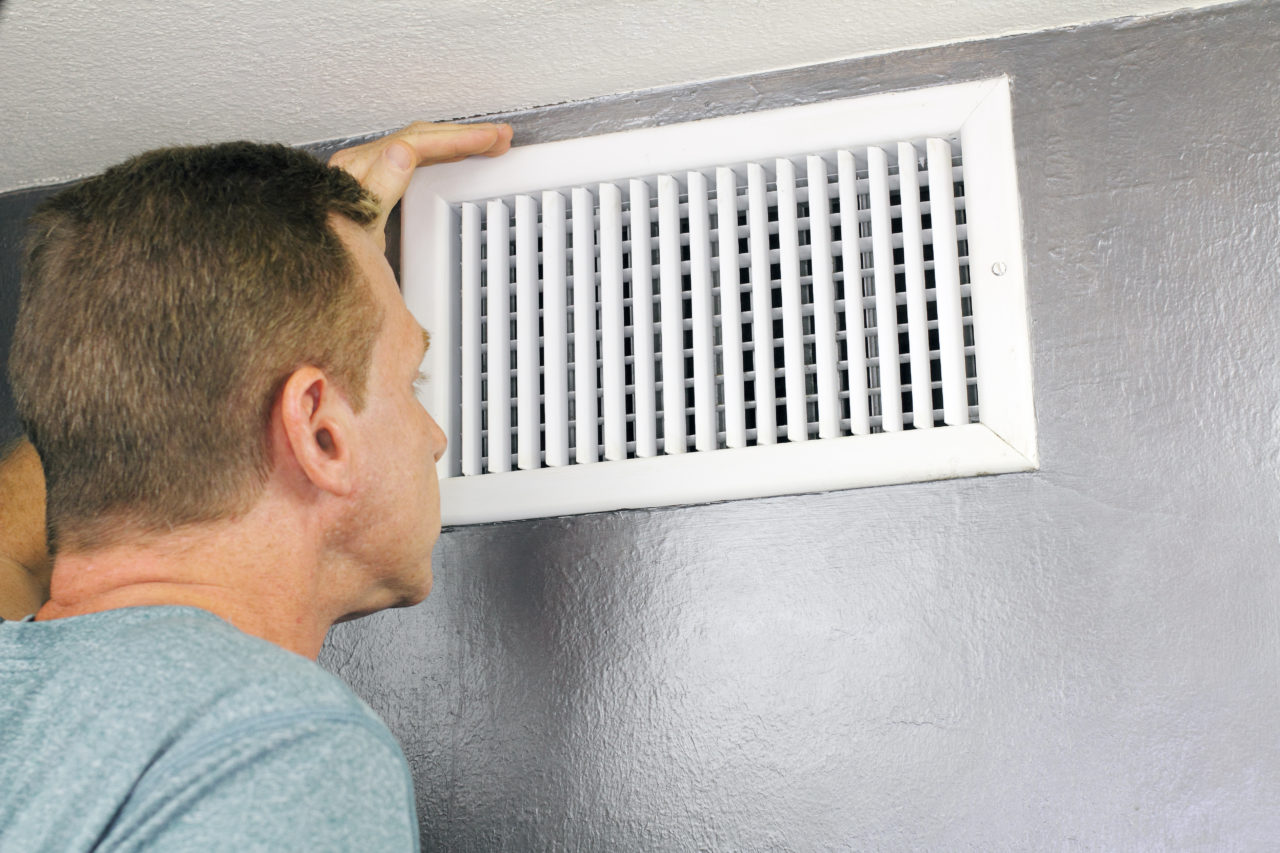
Should I Check My Air Vents and Registers?
Yes. Poor airflow can often be traced back to dirty or blocked vents.
Are the Vents Open?
Make sure all supply and return vents are fully open. Closing vents does not save energy and can hurt your system.
Are They Blocked by Furniture?
Move rugs, furniture, and curtains away from vents so air can move freely around your home.
Are They Dirty?
Dust and vacuum around the vents. If you see black streaks or heavy buildup, that could be a sign of dirty ductwork that may need to be professionally cleaned.

What Should I Listen for When the System Runs?
Sometimes the best way to know if something is wrong is to simply listen.
Is the System Too Loud?
Normal systems make a soft hum or blowing sound. If you hear banging, rattling, buzzing, or clicking, something might be loose or failing.
Is There a New Smell?
A musty smell could mean mold or mildew. A burning smell could mean an electrical issue. If you notice odd smells, turn off the system and call a professional.
Can I Reduce Indoor Humidity Between Visits?
Yes, especially important in our North Carolina climate.
Use Exhaust Fans
Run bathroom and kitchen fans during and after use to vent moisture outside.
Run a Dehumidifier
If your home feels sticky, a portable or whole-home dehumidifier can help. LM Wilson can recommend one that works with your HVAC system.
Keep Air Moving
Ceiling fans and open interior doors help keep the air balanced and less humid.
What Should I Check in My Attic or Crawlspace?
High humidity and extreme temperatures in these areas can impact your HVAC system.
Look for Moisture
Check for wet insulation, standing water, or mold. If you see any of these, your system might be pulling in damp air.

Check for Proper Insulation
Poor insulation can force your HVAC system to work harder to cool your home. If your attic feels extremely hot, it may be under-insulated.
Should I Check My Energy Bills?
Yes. If your bill is suddenly much higher than usual and your usage has not changed, that could be a sign your system is struggling.
Compare Year Over Year
Look at your July or August bill from last year. A large jump might mean your system is running too long or not running efficiently.
Track Monthly Changes
A sudden spike in your power bill might indicate a dirty filter, refrigerant issue, or airflow restriction.
When Should I Call a Professional?
Your mid-season check is a great way to spot small issues early. But some things should be left to the pros, including:
-
Refrigerant leaks or low coolant levels
-
Electrical or control board issues
-
Frozen evaporator coils
-
Loud compressor or motor noise
-
Water leaks near the indoor unit
-
Bad smells from vents or the system
If you see or hear anything unusual, contact LM Wilson Heating & Air. We will diagnose the issue and get your system running at peak performance.
Doing a mid-season HVAC check between tune-ups is one of the best things you can do as a homeowner. With just a few simple steps, you can catch small problems before they become big ones, improve your comfort, and even reduce your energy bills.
Keep an eye on your thermostat, air filters, outdoor unit, and vents. Watch for changes in how your system runs. And when in doubt, call the experts.
At LM Wilson Heating & Air, we are here to keep your home cool and comfortable all summer long. Whether you need a tune-up, a repair, or just some advice, we are happy to help.
Need Help With a Mid-Season HVAC Issue?
Call LM Wilson Heating & Air today at 336-663-1370 or visit www.lmwilson.com to schedule service.